
How to sell a flat in Palomeras Bajas
Practical guide to selling in Palomeras Bajas: how to prepare viewings, check noise, light and layout, and use local references without assumptions.
How to approach selling a flat in Palomeras Bajas
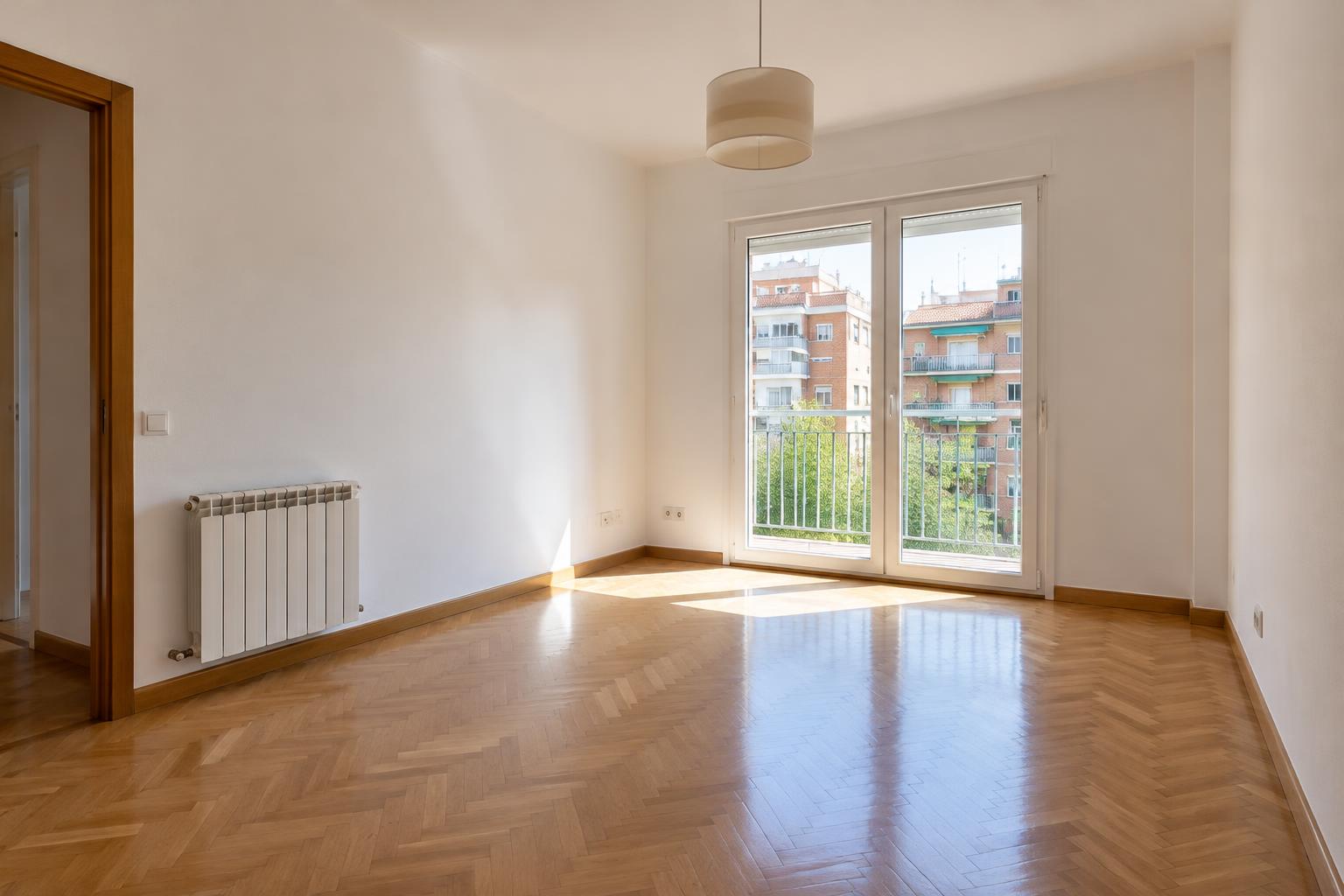
Selling a flat in Palomeras Bajas calls for different preparation from a general Madrid guide because here the useful work does not begin with “putting up an advert”, but with explaining properly what the buyer sees when they enter the property, what they hear, how the light comes in and whether the layout suits their day-to-day use. In a property sale in Palomeras Bajas, the comments that carry the most weight during viewings usually come down to those four points: noise, light, layout and the flat’s actual condition.
The key is not to answer with assumptions. If your building has a specific orientation, double glazing, a noisy party wall or an internal kitchen, it is worth checking and showing it honestly. That helps both the valuation of a flat in Palomeras Bajas and filtering viewings with a better chance of closing.
At UBICASA, sale management is handled from the real office at Montesa 29, in Salamanca, for all neighbourhoods. You can request a free indicative valuation at free valuation of your home or contact us at contact UBICASA. The online estimate is indicative, not an official valuation, and includes a range and PDF report, with an optional visit.
What to check before showing the flat
Before opening your diary to viewings, carry out a practical check of the flat as if you were a demanding buyer. It is not enough to describe it from memory.
1. Go into the property at different times of day and observe how the natural light changes.
2. Open and close windows to detect whether street, courtyard or party-wall noise comes in.
3. Walk through the home with a simple plan or sketch and note whether there are long corridors, walk-through rooms or poorly used areas.
4. Look at the access from the street and the landing if your building allows it: intercom, condition of the staircase, lift if there is one, and the overall feeling on arrival.
5. Review which features should be shown and which should be explained with context: if there is a small room, an internal bathroom or an open-plan kitchen, prepare a functional explanation, not a defensive one.
To support the legal and financial position of the transaction, the practical information from the Comunidad de Madrid reminds us that it is advisable to verify ownership, charges and that the property is up to date with IBI and community fees, and also that in sales and purchases contracts should be handled with clear consequences in the event of breach: Property sales and purchases.
How to arrange viewings without promising what you cannot back up
A good viewing schedule is not about showing lots of properties, but about showing yours better. If the buyer notices an objection for themselves and you have not anticipated it, negotiation becomes more difficult. By contrast, if you explain it with facts, transparency is usually valued more highly.
Recommended steps:
1. Prepare the home so it can be shown without visual noise: blinds, lights, curtains, smells and small defects.
2. Turn on lights only where they genuinely help to understand the space.
3. If your building faces an area with traffic or activity, do not hide it; explain when it is most noticeable and how the property behaves with windows closed or open, only if you have checked.
4. During the viewing, let the buyer walk around first and ask questions afterwards.
5. Write down each objection verbatim: “poor light”, “closed layout”, “you can hear the street”, “the living room is narrow”. That list helps you decide what to answer and what to improve before the next viewing.
Practical tip: if an objection comes up repeatedly in two or three viewings, do not treat it as an isolated opinion. It usually points to a feature of the property that needs explanation, documentation or a reference-price adjustment.
Local references to place the building and choose comparables
In Palomeras Bajas it is useful to rely on complete local references to better place the building without assuming exact distances or relationships. The neighbourhood map includes, among others, these full references: **Parque del Payaso Fofó**, **Centro Cultural**, **Escuela Infantil Municipal** and **Centro Municipal de Mayores Puente de Vallecas**. These references help to situate the general surroundings, but they must not be used to claim that every property is close to them.
How to turn those references into useful action:
1. If your flat is genuinely close to a reference of this kind, compare it with other flats in a similar setting, not with properties in very different areas of the district.
2. If you do not know exactly how your building relates to a specific reference, check the property’s actual location before deciding on comparables.
3. If the viewing picks up noise, use comparables that also have similar surroundings, height or exposure, not just similar square metres or number of bedrooms.
4. If your property gets better light than others in the area, that can offset a less efficient layout; but only if this is checked during the viewing and with honest photographs.
The neighbourhood reference does not replace a check-in person viewing. It serves to organise the analysis, not to take the flat’s or buyer’s characteristics for granted.
Checklist for noise, light and layout to sell with transparency
This is the most important section if you want to sell a flat in Palomeras Bajas without relying on vague impressions.
### Noise
- Check with windows closed and open.
- Identify whether the noise comes from the street, courtyard or neighbours.
- Carry out the test at different times if you can.
- Ask yourself whether the noise is constant or occasional.
### Light
- Observe the light in the morning and in the afternoon, if you have the chance.
- Distinguish between direct light, filtered light and dark rooms.
- Check whether furniture, curtains or colours are making the impression worse.
- Do not say the flat “is very bright” if it only seems that way at a specific time of day.
### Layout
- Check whether metres are wasted in corridors.
- Mark awkward routes between kitchen, living room and bedrooms.
- Identify doors that clash, narrow walkways or corners that are hard to use.
- Point out whether the property could reasonably allow changes of use without promising renovations you are not going to carry out.
### Common mistakes
- Photographing only the best room and hiding the worst.
- Explaining noise with generic phrases such as “it is a lively area”.
- Confusing brightness with good orientation without checking it.
- Showing the property without having checked blinds, taps, sockets or small visible faults.
Hypothetical example of a well-prepared viewing
Imagine a flat where the living room gets good light in the morning, but the main bedroom is a little short of brightness at the end of the day. Rather than describing it as “dark” or keeping quiet about it, you could prepare the viewing like this:
1. Show the living room first with the blinds half raised to show the real amount of light coming in.
2. Open the main bedroom and explain that its value lies more in its quiet use than in direct brightness.
3. If there is noise at a particular window, show the room with the window closed and make it clear that the buyer can check it for themselves.
4. When the visitor asks about the layout, show how the route from the entrance to the living room works and where space is lost.
That approach avoids arguing over opinions and keeps the negotiation focused on observable facts. It is far more useful than trying to persuade the buyer with adjectives.
What documentation and coordination is worth checking before closing
Without turning this guide into a tax or documentation manual, it is worth remembering that a sale and purchase needs organisation. The Comunidad de Madrid states that it is important to review the legal situation of the property and check that there are no charges, as well as verifying IBI and community payments. It also explains that the contract must clearly set out the property details, financial obligations and the effects of breach: Property sales and purchases.
Before signing anything, check these practical points:
1. That the flat’s description matches what has been shown.
2. That there are no discrepancies between what was advertised and what was viewed.
3. That the buyer understands whether there are elements to review in the community or the building.
4. That the viewing and negotiation conditions are clear from the outset.
If you need support coordinating the sale in Puente de Vallecas, you can use the district page Inmobiliaria puente de vallecas or contact us directly from contact UBICASA. For a free indicative valuation with PDF report, you also have free valuation of your home.
Practical summary for moving from viewing to offer
The most effective way to sell property in Palomeras Bajas is not to promise more than the flat offers, but to present better what it does offer. Check noise, light and layout, prepare honest answers, use local references to place the building and select comparables that are consistent with what the buyer actually sees.
If you also organise viewings methodically, you reduce objections and gain credibility. And in a sale, credibility is usually worth more than any sales phrase.