
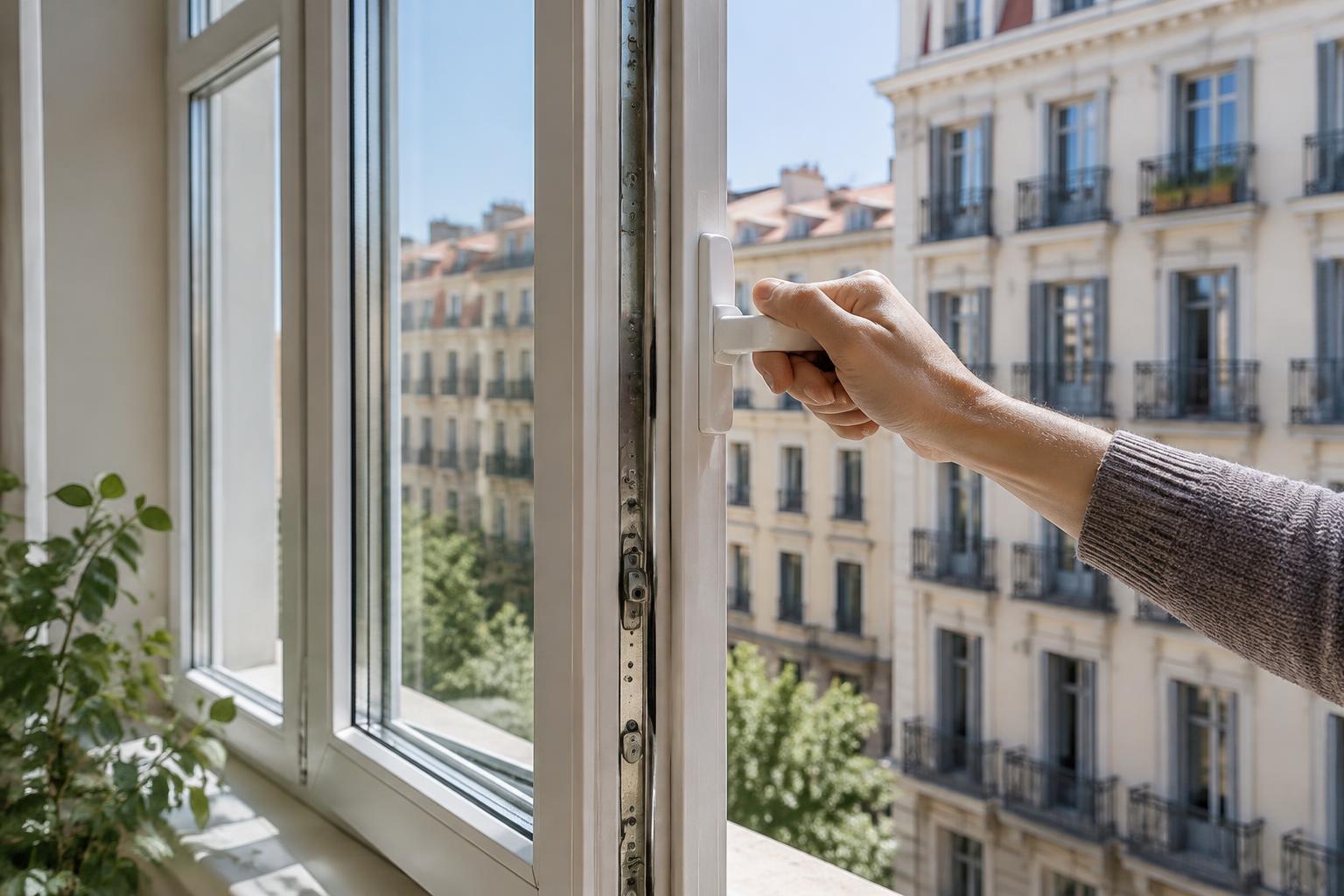
Double-glazed windows: what to ask before replacing them
Before replacing double-glazed windows, it is worth reviewing three areas: the glass, the frame and the locking system, as well as ventilation, the installation method and whether the work affects a shared façade or the building community. This guide helps you ask the right questions before deciding.
What it is worth clarifying before requesting the replacement
Replacing windows is not just a matter of choosing a “better” pane of glass or a more modern frame. In a flat subject to horizontal property rules, the decision may affect airtightness, comfort, ventilation and also the exterior appearance of the building. That is why, before commissioning the work, it is worth asking the professional very specific questions and, if your flat is in a community, checking whether the change affects common elements or the exterior configuration.
The Horizontal Property Act allows the owner to alter architectural elements, installations or services in their flat provided they do not impair or alter the safety, general structure, exterior configuration or condition of the building, nor prejudice the rights of another owner, and it also requires prior notice to the person representing the community: Ley 49/1960, de propiedad horizontal. That point is key when the new window changes the colour, material, sash division or the appearance of the façade.
Before deciding, always ask with five areas in mind: glass, frame, locking system, ventilation and façade.
Questions about the glass: what really matters and what is not enough to assume
Double glazing can improve insulation, but not all glass works in the same way. It is not a good idea to stop at the generic phrase “put in double glazing”. You should ask what solution is being proposed and why.
1. What problem exactly is it meant to solve?
- If you want less noise, any glass will not do.
- If you want thermal comfort, the composition of the glass and the quality of the whole unit matter.
- If you have condensation, there may be a ventilation problem or a thermal bridge issue in addition to the glass.
2. Will the balance between insulation and ventilation be maintained?
- A more airtight window reduces heat loss, but it can also reduce natural air renewal.
- If the flat already has poor ventilation, it is worth asking how normal use of the home will be ensured without causing damp.
3. Is the chosen glass compatible with the frame and with the actual use of the home?
- A living room is not the same as a bedroom, nor is a façade heavily exposed to the sun the same as one that is sheltered.
- Ask whether the proposed glass suits the orientation, noise exposure and daily use.
### Common mistake
Thinking that the “best” glass is always the thickest or the most expensive. In reality, if the rest of the assembly is badly resolved, the result may be disappointing.
Frame and locking system: where the real problems often appear
The frame and locking system are just as important as the glass. A window with good glazing but a poor frame can still let in air, noise or moisture. Before replacing it, it is worth asking the following:
1. Does the new frame genuinely improve insulation compared with the current one?
- Ask about the material, the profile type and how it will perform in your home.
- Ask how the transition between the frame and the existing work will be finished.
2. How is the locking system resolved?
- The closure should be even and secure.
- If there are gaps, poor adjustment or weak hardware, the window will lose effectiveness over time.
3. Will the opening you need be preserved?
- There are systems that insulate better but limit opening or change the way the window is used.
- If you need to air the home every day, make sure the solution will not force you into awkward or insufficient opening.
4. Who is responsible for the final adjustment after installation?
- Fitting is just as important as the quality of the product.
- Ask who checks the finishing, sealing and operation of the sashes and locks once the work is complete.
### Practical tip
Ask to be shown in writing what the installation includes: removal of the old window, finishing work, sealing, final adjustment and cleaning. Many issues do not come from the product, but from incomplete execution.
Ventilation: the question that is often forgotten
A new window can improve comfort, but it can also make an existing ventilation problem more obvious. This matters especially in kitchens, bathrooms and bedrooms. If the home has had condensation, the window replacement should not be treated as the only solution.
Ask the professional:
1. Will the new window allow easy ventilation?
2. Will the home’s daily ventilation habits be maintained?
3. Are grilles, micro-ventilation or another solution planned, and how will this affect actual use?
4. Will the work worsen or improve air circulation in the dampest rooms?
Do not assume that a more airtight window will solve damp problems on its own. If the cause lies in condensation, in the way the home is used or in poorly executed finishing, the problem may return.
Shared façade and the community: when you should raise it before commissioning anything
If the window faces the façade, or if the change alters the exterior appearance, do not treat it as purely an individual decision. In horizontal property, the façade is usually a common element or at least an element whose appearance affects the building as a whole. The Horizontal Property Act itself allows private works only if the exterior configuration or condition is not altered, and requires the work to be communicated in advance to the community Ley 49/1960, de propiedad horizontal.
In addition, the same law provides that community meeting resolutions may be necessary when the action affects common elements or their modification, and it distinguishes between conservation works, accessibility works and other actions subject to specific majorities. In practical terms, that means it is not always enough to “change the window because it is your flat”. If the new model alters colours, divisions, shutters, visible profiles or recesses, check first with the community and the building manager.
### Numbered steps to avoid problems
1. Check whether the window is visible from the outside and whether the change will alter the façade.
2. Check whether the community has internal rules, bylaws or agreements on exterior joinery.
3. Inform the community representative in advance if the change may affect the exterior appearance.
4. Request written confirmation that the chosen model fits the building’s overall aesthetic.
5. Keep the communication and the reply before signing the order.
### Common mistake
Installing a window different from the rest of the building “because it is not very visible” or “because no one will say anything afterwards”. If there is a visible mismatch, the conflict may arise later, once the work has already been done.
What to ask for in writing before deciding
To make a well-founded decision, do not rely on a phone conversation. Ask for a clear document or proposal covering these points:
1. Type of glass and its purpose.
2. Type of frame and locking system.
3. Planned ventilation solution.
4. Installation method and finishing work.
5. Compatibility with the façade and community observations, where applicable.
If you want to assess whether the improvement makes sense in your particular home, you can use the indicative estimate from UBICASA at /valoracion-vivienda-madrid: it offers an indicative range, PDF report and optional visit. If you would rather discuss the case in detail, you can do so at /contacto.
When it is worth seeking individual advice
General guidance helps to structure the questions, but it does not replace an assessment of your case. It is worth seeking individual advice if:
1. The window faces a visible façade.
2. The community has a defined aesthetic standard.
3. The home has recurrent condensation or damp.
4. You also want to change shutters, openings or divisions.
5. There are doubts about whether the work affects common elements.
In a home within a community, replacing a window properly is not just about choosing a better product: it is about coordinating technical matters, ventilation, execution and coexistence. If you ask those questions before commissioning the work, you will reduce the risk of surprises and have a much firmer basis for deciding.